Zone 10a Vegetable Planting Schedule: A Comprehensive Guide
Discover a 100-page planning system tailored for year-round‚ frost-free gardening in Zone 10a‚ offering continuous production and detailed schedules via PDF downloads.
Understanding Zone 10a
Zone 10a represents a unique horticultural area‚ characterized by its mild winters and extended growing seasons. Gardeners in this zone benefit from the ability to cultivate vegetables nearly year-round‚ a significant advantage detailed in comprehensive Zone 10a vegetable planting schedule PDFs. These resources are specifically designed for the frost-free conditions prevalent in this region.
Understanding the nuances of Zone 10a is crucial for successful gardening. Unlike regions with distinct seasons‚ Zone 10a allows for continuous harvests with careful planning. PDF guides often outline staggered planting times to maximize yields and ensure a consistent supply of fresh produce. These guides are invaluable for both beginner and experienced gardeners seeking to optimize their gardens.
The availability of detailed PDF schedules simplifies the process‚ providing month-by-month recommendations for sowing seeds‚ transplanting seedlings‚ and harvesting mature vegetables. These resources empower gardeners to take full advantage of the favorable climate and enjoy a bountiful garden throughout the year.
What Defines a 10a Growing Season?
Zone 10a’s growing season is fundamentally defined by its lack of significant frost. This allows for a remarkably extended period of cultivation‚ differing drastically from colder climates. Zone 10a vegetable planting schedule PDFs capitalize on this‚ detailing planting windows throughout the year‚ not just during traditional spring and summer months.
The defining characteristic is the ability to grow crops continuously. These PDF guides often break down the year into smaller segments‚ suggesting what to plant each month to ensure a constant harvest. This contrasts with single-season planting common in other zones.
A Zone 10a schedule isn’t about if you can grow something‚ but when to maximize yield and quality. Detailed PDF resources provide this crucial timing information‚ considering factors like heat tolerance and optimal growth periods‚ making year-round gardening achievable and rewarding.
Frost Dates in Zone 10a
Zone 10a is largely considered a frost-free environment‚ a key element highlighted in any Zone 10a vegetable planting schedule PDF. However‚ a complete absence of frost isn’t guaranteed; light frosts are possible‚ though infrequent‚ influencing planting strategies. These PDF guides often note the minimal risk‚ but advise caution with particularly tender plants;
The typical last frost date is considered to be after December 15th‚ and the first frost date is before February 15th‚ but these are averages. PDF resources emphasize monitoring local weather forecasts‚ even in Zone 10a‚ to protect vulnerable crops during unexpected cold snaps.
Because of this minimal frost risk‚ Zone 10a vegetable planting schedule PDFs focus less on frost protection and more on heat management and succession planting. They provide detailed timelines for maximizing the extended growing season‚ capitalizing on the warm climate for continuous harvests.
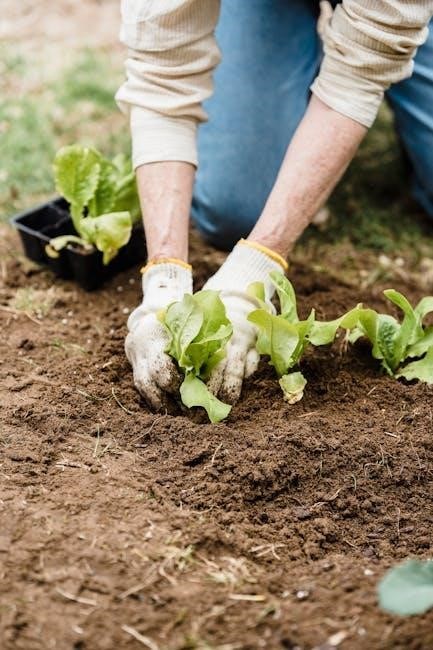
Year-Round Gardening in Zone 10a
PDF guides unlock continuous harvests in Zone 10a’s frost-free climate‚ detailing schedules for year-round vegetable production and maximizing the extended growing season.
The Advantage of a Frost-Free Climate
Zone 10a boasts a remarkable advantage for gardeners: a virtually frost-free climate. This extended growing season‚ meticulously detailed in available PDF planting schedules‚ allows for continuous cultivation throughout the year‚ unlike many other regions. Gardeners can leverage this benefit by planning succession plantings‚ ensuring a consistent supply of fresh produce.
These PDF resources often highlight how to maximize yields by utilizing the mild winters for cool-season crops‚ while the warmer months support heat-tolerant varieties. The absence of harsh freezes eliminates the need for extensive protective measures‚ simplifying gardening tasks. Detailed PDF guides provide month-by-month recommendations‚ optimizing planting times for specific vegetables. This continuous production paradise‚ as some guides describe it‚ is achievable with careful planning and the aid of these comprehensive resources. Ultimately‚ a frost-free climate‚ coupled with a well-structured PDF schedule‚ empowers Zone 10a gardeners to enjoy a bountiful harvest year-round.
Planning for Continuous Harvests
Successful continuous harvests in Zone 10a rely heavily on strategic planning‚ best facilitated by a detailed PDF vegetable planting schedule. These guides emphasize succession planting – staggering planting dates for the same crop – to ensure a steady supply. PDF resources often illustrate how to intercrop‚ combining fast-growing vegetables with slower-maturing ones to maximize space and yield.
A comprehensive PDF will outline optimal planting windows for cool-season crops like broccoli‚ cabbage‚ and kale during the milder months‚ alongside heat-tolerant options such as beets and turnips for warmer periods. Utilizing these schedules minimizes gaps between harvests. The 100-page planning systems available in PDF format provide a framework for year-round gardening‚ detailing specific timelines for sowing seeds or transplanting seedlings. By following these PDF-guided strategies‚ Zone 10a gardeners can enjoy a consistent flow of fresh‚ homegrown produce throughout the entire year.
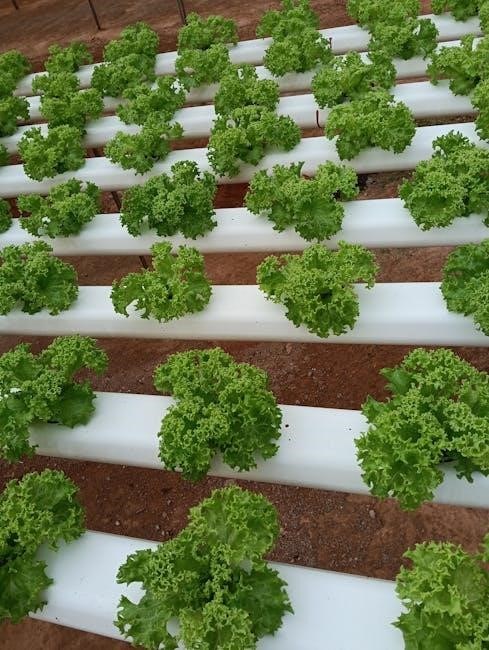
Spring Planting (February ⎯ April)
PDF guides suggest planting beets‚ broccoli‚ and cabbage during this period‚ utilizing either direct sowing or starting seeds indoors for optimal results.
Vegetables to Start in Early Spring
Early spring in Zone 10a‚ typically February to April‚ presents a fantastic opportunity to kickstart your garden with a diverse range of vegetables. Utilizing PDF planting calendars specifically designed for this zone is incredibly beneficial. These resources often highlight that broccoli‚ cabbage‚ cauliflower‚ collards‚ kale‚ mustard‚ and turnips thrive when planted during this timeframe.
Consider starting brassicas like broccoli and cabbage indoors around February to get a head start‚ transplanting them outdoors as the soil warms. Root vegetables such as beets and turnips can be directly sown into the garden in March. Leafy greens like collards and kale also benefit from early spring planting‚ offering continuous harvests throughout the warmer months. Remember to consult your chosen PDF guide for precise timing based on microclimate variations within Zone 10a‚ ensuring optimal growth and yields.
These guides often provide detailed sowing depths‚ spacing recommendations‚ and estimated days to maturity‚ empowering gardeners to maximize their spring planting success.
Direct Sowing vs. Starting Seeds Indoors
Zone 10a’s mild climate offers flexibility in seed starting‚ but understanding the benefits of direct sowing versus starting seeds indoors is crucial. PDF planting guides for this zone often detail which method suits specific vegetables best. Generally‚ root vegetables like beets and turnips are excellent candidates for direct sowing‚ thriving when planted directly into the garden soil.
However‚ vegetables requiring a longer growing season or sensitive to heat‚ such as broccoli and cabbage‚ often benefit from being started indoors 6-8 weeks before the last expected frost. This provides a head start and protects seedlings during vulnerable stages. PDF resources will specify ideal indoor starting dates for each vegetable.
Direct sowing simplifies the process‚ while indoor starting allows for greater control over germination and early growth. Carefully review your Zone 10a PDF calendar to determine the optimal approach for each crop‚ maximizing your garden’s productivity.
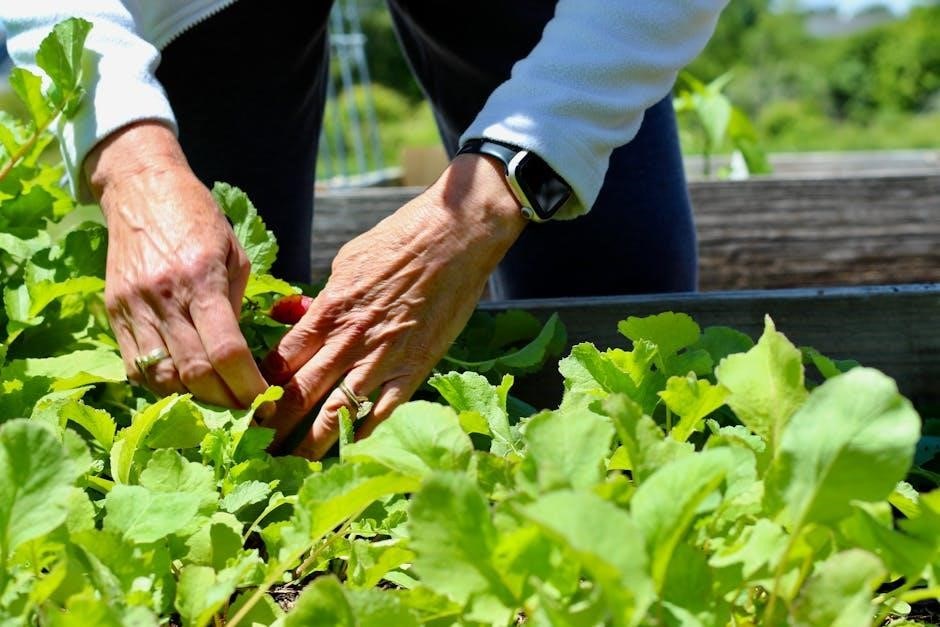
Summer Planting (May — August)
PDF guides reveal heat-tolerant options like herbs and succession planting strategies for continuous harvests throughout Zone 10a’s warm summer months.
Heat-Tolerant Vegetable Options
Zone 10a’s consistently warm temperatures demand careful vegetable selection for successful summer gardening. PDF planting calendars specifically designed for this region highlight several heat-tolerant choices that will thrive even during the hottest months. These include a wide variety of beans – both bush and pole varieties – which readily produce abundant harvests.
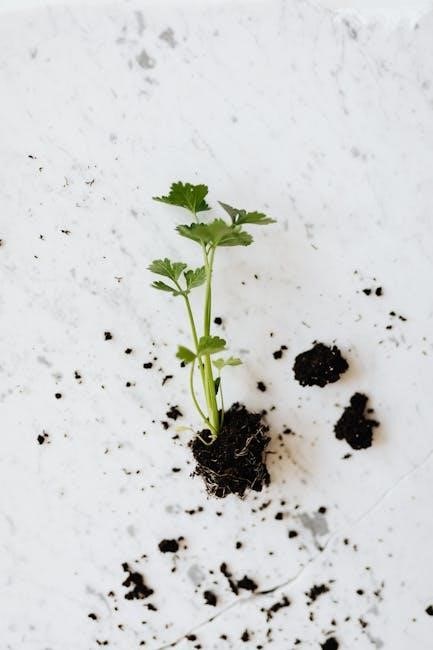
Southern peas‚ also known as cowpeas‚ are exceptionally well-suited to the climate‚ offering a nutritious and delicious addition to your garden. Consider planting okra‚ a Southern staple known for its heat resistance and unique texture. Eggplant and peppers‚ particularly those of the hotter varieties‚ flourish in the warmth. Sweet potatoes are another excellent option‚ developing rich flavors in the heat.
Furthermore‚ many herbs‚ such as basil‚ rosemary‚ and thyme‚ not only tolerate the heat but actually benefit from it‚ intensifying their flavors. PDF resources often provide detailed information on specific varieties within each vegetable category that are best adapted to Zone 10a’s unique conditions‚ ensuring optimal growth and yields.
Succession Planting for Summer
Zone 10a’s extended growing season allows for continuous harvests through strategic succession planting‚ a technique detailed in many PDF gardening guides; This involves staggering planting times for the same crop‚ ensuring a steady supply throughout the summer months. For example‚ beans and radishes can be sown every two to three weeks for a continuous yield.
Leafy greens‚ while susceptible to bolting in the heat‚ can be extended by planting heat-tolerant varieties and providing afternoon shade. Utilize quick-maturing crops like lettuce and spinach between slower-growing vegetables. PDF calendars often illustrate optimal planting windows for each succession.
Consider interplanting fast-growing crops with slower-maturing ones to maximize space and yield. As one crop is harvested‚ another is ready to take its place. Detailed PDF resources will provide specific timelines for succession planting various vegetables in Zone 10a‚ helping gardeners maintain a bountiful harvest all summer long;
Fall Planting (September ⎯ November)
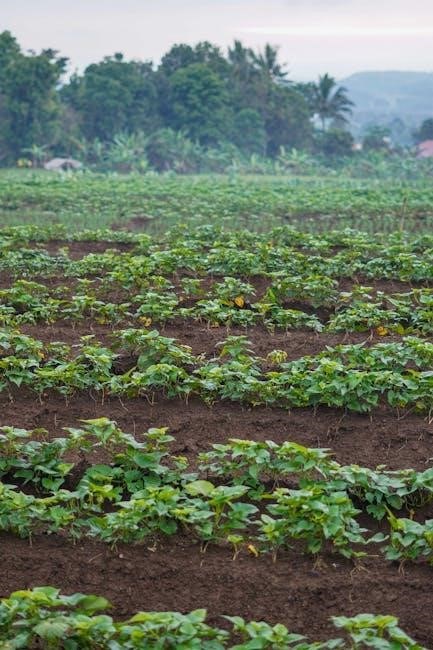
PDF guides reveal Zone 10a thrives with fall plantings of beets‚ broccoli‚ and kale‚ offering cool-season harvests and extending the growing period.
Cool-Season Vegetable Choices
Zone 10a’s mild winters open doors to a fantastic array of cool-season vegetables‚ particularly during the fall planting period (September-November). Detailed PDF planting schedules emphasize maximizing harvests in this climate. Consider planting broccoli‚ cabbage‚ and cauliflower for winter enjoyment; these brassicas flourish when temperatures are moderate.
Root vegetables like beets‚ turnips‚ and mustard greens also excel‚ providing flavorful additions to your meals. Leafy greens such as kale and collards are incredibly resilient and offer continuous harvests throughout the cooler months. These vegetables are often highlighted in comprehensive Zone 10a gardening guides available for download.
Remember to consult a PDF calendar specific to your microclimate within Zone 10a‚ as variations in temperature and rainfall can influence optimal planting times. Proper planning ensures a bountiful and delicious fall and winter garden!
Preparing the Garden for Fall
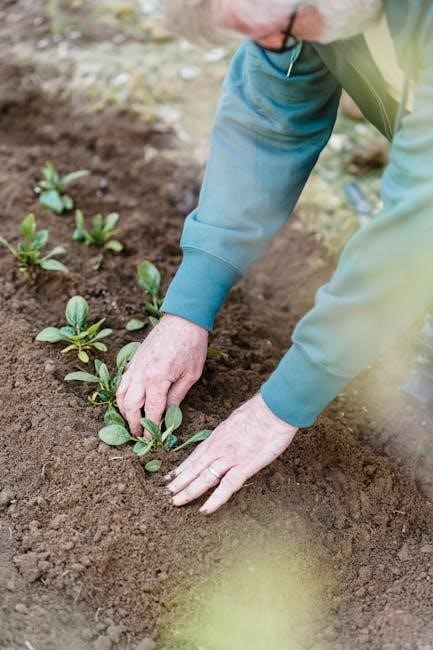
Fall garden preparation in Zone 10a‚ as detailed in many PDF planting guides‚ is crucial for success. Begin by clearing summer’s spent plants‚ removing any diseased foliage to prevent issues. Enrich the soil with compost and well-rotted manure‚ providing essential nutrients for cool-season crops;
Soil testing is recommended to determine any specific deficiencies‚ allowing for targeted amendments. Ensure adequate drainage‚ as Zone 10a can experience periods of heavy rainfall. Consider using raised beds or amending heavy clay soils. A PDF calendar will often suggest specific soil preparation timelines.
Mulching helps retain moisture‚ suppress weeds‚ and regulate soil temperature – vital for optimal growth. Review a Zone 10a specific PDF for tailored advice on fall garden preparation‚ maximizing your harvest potential during the cooler months.
Specific Vegetable Planting Timelines
PDF guides detail schedules for broccoli‚ cabbage‚ cauliflower‚ beets‚ turnips‚ mustard‚ kale‚ and collards‚ ensuring optimal planting times in Zone 10a.
Broccoli‚ Cabbage & Cauliflower Schedule
Zone 10a gardeners enjoy a unique advantage when cultivating broccoli‚ cabbage‚ and cauliflower‚ thanks to the consistently mild climate. Detailed PDF planting calendars are invaluable for maximizing yields throughout the year. For broccoli‚ consider starting seeds indoors as early as January for a spring harvest‚ with subsequent sowings in late summer for fall and winter crops.
Cabbage benefits from a similar approach; initiate indoor seed starting in January and again in July. Transplant seedlings when they’ve developed several true leaves. Cauliflower‚ being slightly more sensitive to heat‚ may require some shade cloth during the hottest summer months. PDF resources often provide specific variety recommendations suited to Zone 10a’s conditions.
Succession planting – staggering planting dates by a few weeks – is crucial for a continuous supply. Regularly consult your Zone 10a PDF guide for precise timing‚ as microclimates can influence optimal planting windows. Remember to monitor for pests and provide adequate water‚ especially during dry spells.
Beets‚ Turnips & Mustard Greens Schedule
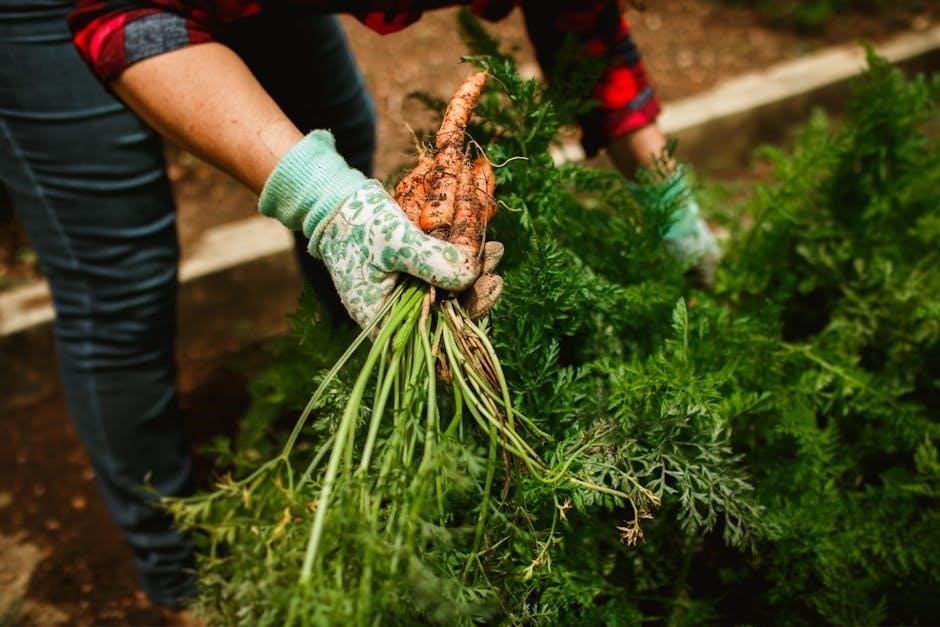
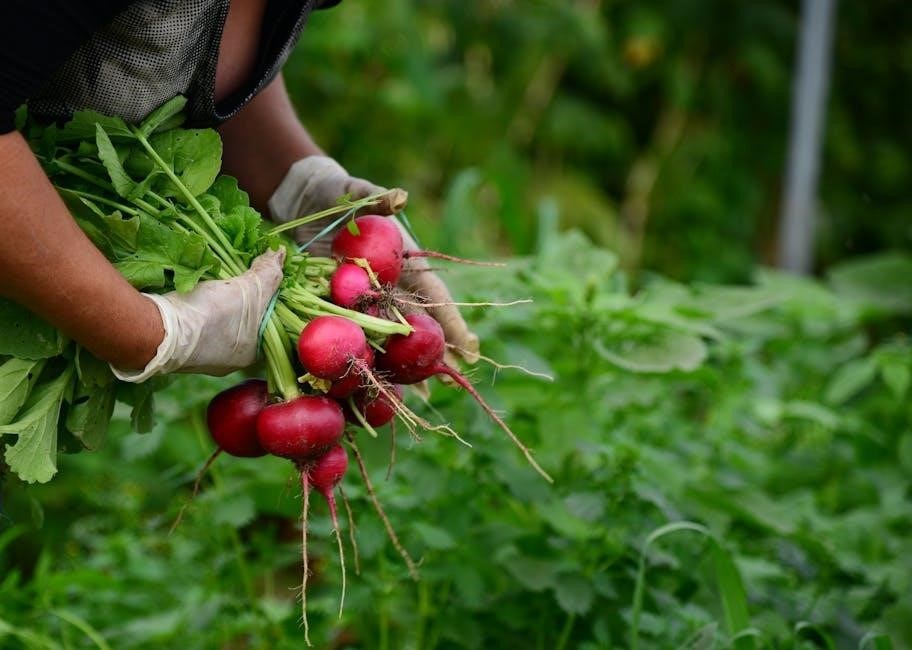
Zone 10a’s mild winters and warm summers allow for nearly year-round cultivation of beets‚ turnips‚ and mustard greens. A comprehensive PDF planting calendar is essential for maximizing harvests. Beets can be directly sown every few weeks from September through April‚ ensuring a continuous supply. Turnips thrive in cooler weather; sow seeds from October to February for best results.
Mustard greens are incredibly fast-growing and can be harvested in as little as 30-40 days. Direct sow every 2-3 weeks from September to May. PDF guides often detail specific variety recommendations for Zone 10a‚ considering heat tolerance and bolt resistance.
Succession planting is key to avoiding a glut of produce. Consistent moisture is vital‚ especially for beets and turnips. Regularly consult your Zone 10a PDF resource for tailored advice‚ as local conditions can impact optimal planting times and growth rates.
Kale & Collards Planting Guide
Zone 10a gardeners enjoy a long growing season ideal for kale and collards. A detailed PDF planting schedule is invaluable for maximizing yields. Kale can be started from seed indoors in summer for fall/winter harvests‚ or directly sown from September through February. Collards benefit from a similar approach‚ with seeds started in summer or directly sown in fall.
PDF guides specific to Zone 10a often recommend heat-tolerant varieties of both kale and collards to prevent bolting during warmer months. Succession planting every 4-6 weeks ensures a continuous supply. Consistent watering is crucial‚ especially during dry spells.
Fertilize regularly with a balanced fertilizer to support healthy growth. Consult your Zone 10a PDF resource for specific recommendations on fertilization and pest control‚ as these can vary based on local conditions and seasonal challenges.
Resources for Zone 10a Gardeners
Access comprehensive PDF planting calendars and guides‚ alongside thriving online communities‚ to optimize your Zone 10a vegetable garden for year-round success!
PDF Planting Calendars & Guides
Unlock the secrets to a bountiful Zone 10a garden with readily available PDF planting calendars and guides! These resources are specifically designed for the unique‚ frost-free growing season experienced in this region‚ offering a significant advantage to gardeners seeking continuous harvests.
A particularly valuable resource is a 100-page planning system‚ meticulously crafted to guide you through year-round vegetable production. These guides detail optimal planting times for a wide variety of vegetables‚ ensuring you maximize yields and enjoy fresh produce throughout the year. They often include month-by-month schedules‚ outlining when to start seeds indoors‚ when to direct sow‚ and when to transplant seedlings.
Furthermore‚ these PDF guides frequently incorporate information on companion planting‚ pest control‚ and soil preparation‚ providing a holistic approach to gardening in Zone 10a. By utilizing these resources‚ you can confidently navigate the challenges and reap the rewards of a thriving garden‚ regardless of your experience level.
Online Zone 10a Gardening Communities
Connect with fellow gardeners in vibrant online communities dedicated to Zone 10a gardening! These platforms offer a wealth of knowledge‚ shared experiences‚ and invaluable support for navigating the unique challenges and opportunities of a frost-free climate.
While specific forums dedicated solely to Zone 10a vegetable planting schedules may be niche‚ broader gardening communities often have dedicated threads or groups focused on regional gardening. These spaces are excellent for exchanging tips on optimal planting times‚ successful varieties‚ and effective pest control strategies.
Moreover‚ many gardeners share their personalized PDF planting calendars and guides within these communities‚ providing practical examples and inspiration. You can also find answers to specific questions‚ troubleshoot problems‚ and learn from the successes (and failures!) of others. Engaging with these online resources fosters a collaborative learning environment‚ empowering you to cultivate a thriving garden in Zone 10a.
Dealing with Zone 10a Challenges
Navigate warm-climate pest control and water management‚ utilizing PDF schedules for optimal planting times to maximize yields and garden health.
Pest Control in a Warm Climate

Zone 10a’s consistently warm temperatures create a haven for various pests‚ demanding proactive and consistent garden management. Utilizing a well-planned vegetable planting schedule PDF is crucial‚ as staggered plantings disrupt pest life cycles. Companion planting‚ detailed within these guides‚ introduces beneficial insects that naturally control common garden invaders.
Regular garden inspections‚ as emphasized in Zone 10a gardening resources‚ are vital for early detection. Organic pest control methods‚ like neem oil and insecticidal soap‚ are preferred to minimize harm to beneficial organisms. The PDF schedules often highlight peak pest activity periods‚ allowing for preventative measures. Consider row covers to physically exclude pests during vulnerable stages of plant growth. Maintaining healthy soil‚ as outlined in comprehensive planting guides‚ strengthens plants’ natural defenses. Remember‚ a proactive approach‚ guided by a detailed schedule‚ is key to successful pest control in this unique climate.
Water Management Strategies
Zone 10a’s warm climate necessitates careful water management for thriving vegetable gardens. A detailed vegetable planting schedule PDF aids in efficient irrigation by aligning watering with plant growth stages. Utilizing drip irrigation or soaker hoses‚ as recommended in many Zone 10a guides‚ minimizes water waste and delivers moisture directly to roots.
Mulching heavily with organic materials‚ detailed in comprehensive planting calendars‚ conserves soil moisture and suppresses weeds. Monitoring rainfall and adjusting irrigation accordingly is crucial‚ preventing both drought stress and overwatering. The PDF schedules often indicate optimal watering frequencies for different crops. Grouping plants with similar water needs‚ a strategy highlighted in advanced gardening resources‚ further optimizes water use. Remember‚ consistent monitoring and a schedule-driven approach are essential for successful water management in this frost-free region.