NVQ Level 3 Electrical Installation Portfolio Examples PDF: A Comprehensive Guide
Navigating the NVQ Level 3 Electrical Installation requires a robust portfolio․ This guide details essential components, documentation, and examples, aiding successful assessment on 02/26/2026․
Understanding the NVQ Level 3 Electrical Installation Qualification
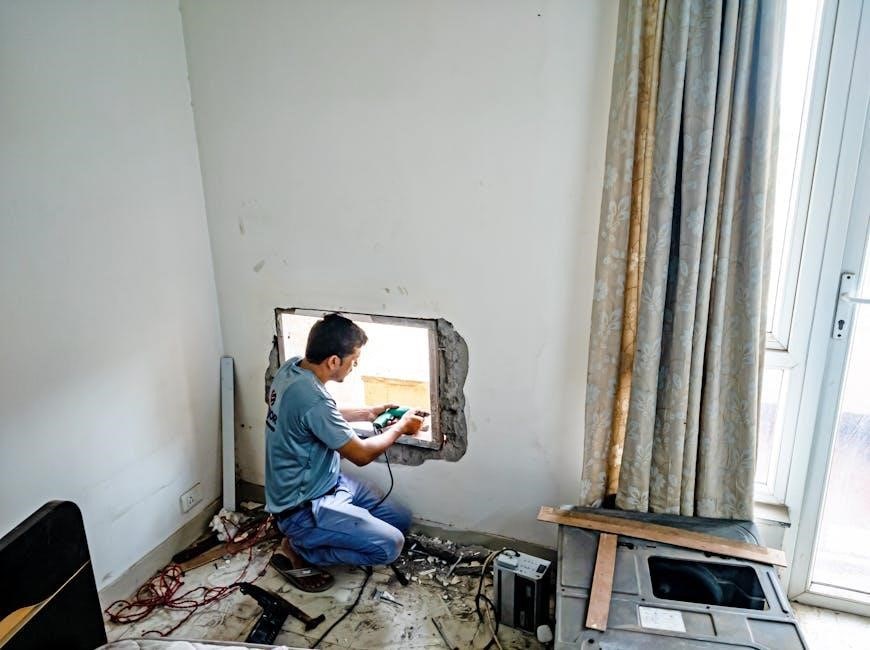
The NVQ Level 3 Electrical Installation is a competency-based qualification, highly regarded within the UK’s building services sector․ It demonstrates practical skills and theoretical knowledge essential for a qualified electrician․ Unlike traditional academic routes, the NVQ focuses on proven ability in a real-world working environment․
Successful completion requires building a comprehensive portfolio showcasing your competence across various units․ This portfolio isn’t merely a collection of certificates; it’s evidence of your ability to safely and effectively perform electrical installation work, adhering to current regulations like BS 7671․
The assessment process involves a qualified assessor reviewing your portfolio, observing your work, and potentially conducting interviews․ A well-structured portfolio, containing relevant examples as of 02/26/2026, is crucial for demonstrating your proficiency and achieving the qualification․ It’s a pathway to professional recognition and career advancement․
The Importance of a Strong Portfolio
A robust NVQ Level 3 Electrical Installation portfolio isn’t simply a requirement – it’s the cornerstone of your assessment․ It directly demonstrates your practical competence to assessors, proving you can apply theoretical knowledge to real-world scenarios․ Without a well-documented portfolio, achieving the qualification becomes significantly more challenging․
The portfolio serves as tangible evidence of your skills, showcasing your ability to safely and correctly install, test, and maintain electrical systems․ It highlights adherence to industry standards and regulations, crucial for professional credibility․ A strong portfolio, reflecting work completed up to 02/26/2026, minimizes the need for lengthy re-assessments․
Furthermore, a comprehensive portfolio is invaluable for future career prospects, acting as a powerful demonstration of your capabilities to potential employers․ It’s a professional showcase of your dedication and skill, setting you apart in a competitive field․
Key Components of an NVQ Level 3 Electrical Installation Portfolio
Your NVQ Level 3 Electrical Installation portfolio must be meticulously organized and contain several key elements․ Firstly, detailed records of all practical work undertaken are essential, reflecting installations completed as of 02/26/2026․ This includes clear descriptions of the tasks performed, the environment, and any challenges overcome․
Secondly, photographic evidence is crucial – high-quality images documenting each stage of the installation process․ These visuals should complement written descriptions, providing a clear understanding of your work․ Thirdly, supporting documentation like risk assessments, method statements, and test results are vital․
Finally, witness testimonies from experienced electricians verifying your competence add significant weight to your portfolio; Remember, the portfolio isn’t just a collection of documents; it’s a narrative demonstrating your journey towards becoming a qualified electrician, showcasing practical application of learned skills․
Essential Documents to Include
A comprehensive NVQ Level 3 Electrical Installation portfolio, current as of 02/26/2026, demands a specific set of documents․ Primarily, include all relevant certificates – Installation Certificates, and crucially, Electrical Installation Condition Reports (EICRs) demonstrating inspection and testing abilities․
Secondly, any Minor Electrical Installation Works Certificates completed during your training must be included․ These showcase competence in smaller-scale jobs․ Thirdly, if your work involved hazardous areas, detailed Hazardous Area Classification Documentation is essential, proving understanding of safety protocols․
Furthermore, always retain copies of risk assessments and method statements for each task․ These demonstrate proactive safety planning․ Don’t forget supporting calculations, diagrams, and any manufacturer’s instructions used․ A well-documented portfolio, reflecting thoroughness, significantly strengthens your assessment outcome․
Installation Certificates & Electrical Installation Condition Reports (EICRs)
Crucially, your NVQ Level 3 Electrical Installation portfolio (dated 02/26/2026) must showcase proficiency in completing Installation Certificates and EICRs․ These aren’t merely forms; they demonstrate your ability to verify electrical safety and compliance with BS 7671 regulations․
Ensure each certificate is fully completed, with accurate readings, test results, and relevant observations․ Include certificates for diverse installations – lighting, socket circuits, consumer units․ EICRs should detail the condition of existing installations, highlighting any defects and required remedial work․
Present these documents clearly, with supporting test results and photographs where applicable․ Assessors will scrutinize these for accuracy and attention to detail․ A strong collection of correctly completed certificates is fundamental to a successful NVQ assessment․
Minor Electrical Installation Works Certificates
For your NVQ Level 3 Electrical Installation portfolio (as of 02/26/2026), demonstrating competence in issuing Minor Electrical Installation Works Certificates is vital․ These certificates cover smaller-scale jobs that don’t require full Installation Certificates, such as adding a socket or light point to an existing circuit․

Include examples showcasing your understanding of the scope of ‘minor works’ and when these certificates are appropriate․ Each certificate must be meticulously completed, detailing the work carried out, the circuit details, and the test results confirming safety․
Pay close attention to the limitations of minor works certificates – they cannot be used for installations affecting the safety of the existing installation․ Presenting a variety of correctly completed certificates will demonstrate your practical application of electrical regulations and safe working practices to the assessor․
Hazardous Area Classification Documentation
A crucial aspect of the NVQ Level 3 Electrical Installation portfolio (dated 02/26/2026) is demonstrating understanding of hazardous area classifications․ This involves presenting documentation related to environments where flammable gases, vapours, or dusts may be present, requiring specialized electrical installations․

Your portfolio should include examples of area classification drawings, detailing zones and categories based on the risk assessment․ Evidence of understanding the appropriate selection of Ex-rated equipment for each zone is essential․ This might include datasheets and justifications for chosen components․
Furthermore, showcase your knowledge of installation methods specific to hazardous areas, including cable selection, glanding requirements, and bonding procedures․ Correctly presented documentation proves your ability to safely install and maintain electrical systems in potentially explosive atmospheres, a key skill for a qualified electrician․

Practical Work Examples – Core Units
The NVQ Level 3 Electrical Installation portfolio (as of 02/26/2026) heavily emphasizes practical application․ Core units require detailed evidence of completed installations, going beyond just certificates․ Showcase high-quality photographs and detailed descriptions of your work․
For each practical task, include a clear outline of the installation process, highlighting safety measures taken and adherence to BS7671 wiring regulations․ Demonstrate your understanding of testing procedures, presenting accurate test results (e․g․, insulation resistance, earth fault loop impedance) and interpretations․
Focus on demonstrating competency in fundamental skills․ Examples should cover a range of installations, proving your ability to confidently and safely execute common electrical work․ Detailed records and clear presentation are vital for a successful assessment․
Wiring and Testing of Lighting Circuits
Evidence for lighting circuit installation (dated 02/26/2026) within your NVQ portfolio should be comprehensive․ Include detailed schematics illustrating the circuit design, clearly showing cable routes, switch positions, and luminaire connections․ Photographs are crucial – document each stage, from initial wiring to final connections․
Testing records must demonstrate thoroughness․ Present results for insulation resistance, continuity, polarity, and earth fault loop impedance․ Explain any remedial actions taken if initial tests failed to meet required standards․ Show calculations for voltage drop to confirm circuit compliance․
Highlight your understanding of different lighting control methods (e․g․, one-way, two-way switching)․ A well-documented case study, demonstrating a complete lighting circuit installation and testing process, will significantly strengthen your portfolio․
Installation of Socket Outlets and Radial Circuits
Your NVQ portfolio (as of 02/26/2026) requires detailed evidence of socket outlet and radial circuit installation․ Include clear diagrams showcasing the radial circuit layout, specifying cable sizes, breaker ratings, and earthing arrangements․ Photographic evidence is vital – document cable stripping, terminations within socket outlets, and secure fixing to surfaces․
Testing documentation must demonstrate adherence to BS 7671․ Present records for insulation resistance, continuity, polarity, and earth fault loop impedance tests․ Detail any corrective measures implemented if test results were initially unsatisfactory․ Show calculations confirming acceptable voltage drop․
Demonstrate understanding of RCD protection and its application to socket circuits․ A comprehensive case study, illustrating a complete radial circuit installation and testing process, will significantly enhance your portfolio’s quality․
Earthing and Bonding System Installation Evidence
For your NVQ (dated 02/26/2026), robust evidence of earthing and bonding is crucial․ Your portfolio should feature detailed schematics illustrating the main earthing terminal (MET) connection and bonding arrangements throughout the installation․ Include photographs clearly showing the size and type of earthing conductors used, and their secure connections․
Testing records are paramount; Present results for earth electrode resistance, continuity of protective conductors (including bonding conductors), and earth fault loop impedance․ Demonstrate understanding of TT, TN-S, and TN-C-S systems, providing evidence relevant to the system installed․
Showcase your ability to select appropriate bonding conductors based on the size of incoming services․ A detailed case study, documenting a complete earthing and bonding system installation and its subsequent testing, will strengthen your submission significantly․
Specific Unit Portfolio Examples (Based on Common Units)
Successfully completing your NVQ (as of 02/26/2026) hinges on demonstrating competency in individual units․ For Unit 302 (Health & Safety), include thorough risk assessments, method statements, and site-specific hazard identification records․ Evidence should showcase proactive safety management․
Unit 305 (Electrical Principles) requires detailed calculations – voltage drop, current carrying capacity, diversity factors – alongside clear, labelled circuit diagrams․ Show your understanding of fundamental electrical theory applied to practical scenarios․
Unit 314 (Installation & Maintenance) demands comprehensive method statements outlining safe working practices for specific installations․ Include inspection checklists, test results, and fault-finding reports․ These examples demonstrate practical application of learned skills and adherence to regulations․
Unit 302: Understanding Health and Safety in Building Services – Risk Assessments
For Unit 302 (dated 02/26/2026), risk assessments are paramount․ Your portfolio must showcase detailed assessments for common electrical tasks – like working at height, cable containment installation, and live working (if applicable)․
Each assessment should clearly identify hazards, evaluate risks (severity & likelihood), and detail control measures to mitigate those risks․ Include specific PPE requirements, safe system of work procedures, and emergency protocols․
Demonstrate a thorough understanding of relevant legislation (e․g․, HASAWA 1974) and industry best practices․ Photographic evidence of implemented control measures strengthens your submission․ Remember, a proactive approach to safety is key to successful assessment․
Unit 305: Understanding and Applying Electrical Principles – Calculations & Diagrams
Unit 305, assessed as of 02/26/2026, demands demonstrable proficiency in electrical calculations and diagrammatic representation․ Your portfolio should include solved examples covering Ohm’s Law, power calculations (P=VI), resistance calculations, and voltage drop calculations for various circuit configurations․
Clearly present your working, showing each step of the calculation process․ Include neatly drawn circuit diagrams illustrating the principles applied – single-line diagrams, multi-meter wiring diagrams, and potentially more complex schematics․
Accuracy is crucial; double-check all calculations․ Explain the purpose of each calculation and how it relates to practical electrical installation work․ Diagrams should be labelled clearly and professionally, demonstrating a solid grasp of fundamental electrical concepts․
Unit 314: Installing and Maintaining Electrical Equipment and Wiring Systems – Method Statements
For Unit 314, evaluated as of 02/26/2026, method statements are vital evidence of safe working practices․ Your portfolio needs detailed, step-by-step instructions for common installation tasks – like installing a lighting circuit or a socket outlet․
Each statement must outline the task, required tools and equipment, a sequential work process, and crucial safety precautions․ Include risk assessments referenced within the method statement․ Demonstrate understanding of relevant regulations (BS7671) and safe isolation procedures․
Clarity and detail are paramount․ Method statements shouldn’t be generic; tailor them to specific scenarios․ Show how you’d control hazards and ensure a safe working environment throughout the installation or maintenance process․ Proper documentation is key to successful assessment․
Where to Find NVQ Level 3 Electrical Installation Portfolio Examples PDF
Locating suitable NVQ Level 3 Electrical Installation Portfolio Examples PDF resources, as of 02/26/2026, can be challenging․ While a direct, comprehensive official repository is often unavailable, several avenues exist․
Training providers frequently offer examples to their students – check with your college or training center․ Online forums dedicated to electrical trades often host shared portfolios (exercise caution regarding content validity)․ Some electrical wholesalers or industry bodies may provide sample documentation․
Be aware that directly copying portfolios is plagiarism․ Use examples as guides to understand structure and content expectations․ Focus on creating your own unique portfolio reflecting your practical experience․ Remember, the goal is demonstrating competence, not replication․ A search as of today yields limited direct results, highlighting the need for proactive inquiry․

Common Mistakes to Avoid in Your Portfolio
Compiling an NVQ Level 3 Electrical Installation portfolio (as of 02/26/2026) requires diligence․ A frequent error is insufficient evidence – simply stating work completed isn’t enough; provide photos, certificates, and detailed explanations․
Poor organization is another pitfall․ A logical structure, clearly labelled sections, and a comprehensive index are crucial․ Avoid submitting blurry or irrelevant images․ Ensure all documentation is current and compliant with regulations․
Failing to demonstrate understanding of why you performed tasks, not just how, is a common mistake․ Don’t plagiarize examples; assessors seek originality․ Incomplete risk assessments or method statements will also lead to rejection․ Thoroughness and clarity are paramount for a successful assessment․

Resources for Portfolio Support and Guidance
Successfully completing your NVQ Level 3 Electrical Installation portfolio (dated 02/26/2026) often requires external support․ City & Guilds and EAL offer official guidance documents and assessment criteria on their websites – essential starting points․
Numerous online forums and communities dedicated to electrical apprenticeships provide peer-to-peer advice and example sharing․ However, always verify information and avoid direct copying․ Your training provider should offer dedicated portfolio workshops and one-on-one support․
Consider investing in specialized portfolio templates designed for electrical installations; these can streamline the process․ Professional electrical trade associations often host webinars and resources․ Remember to utilize all available avenues for clarification and feedback throughout your portfolio development․