Discover essential guidance for your Acura RDX in the official user manual․ It covers setup‚ controls‚ safety features‚ and maintenance․ Download the PDF from Acura Canada’s website to access detailed diagrams‚ troubleshooting tips‚ and service schedules for all models․ Use it to keep vehicle reliable
Purpose and Scope of the Manual
The Acura RDX User Manual serves as the definitive reference for owners‚ providing clear instructions on vehicle operation‚ safety‚ maintenance‚ and troubleshooting․ Its purpose is to empower drivers with the knowledge needed to maximize performance‚ ensure safety‚ and extend the life of the vehicle․ The manual covers every aspect of the RDX‚ from initial start-up procedures to advanced diagnostic features‚ and includes detailed illustrations‚ step-by-step guides‚ and essential safety warnings․ It is designed for both new and experienced owners‚ offering concise explanations of complex systems while also providing in-depth technical information for those who wish to delve deeper․ The scope of this manual extends beyond basic operation; it includes recommended service intervals‚ fluid specifications‚ and troubleshooting charts that help owners identify and resolve common issues․ Additionally‚ the manual references Acura’s official service network and provides links to downloadable resources such as maintenance schedules‚ repair guides‚ and firmware updates․ By following the guidance outlined in this manual‚ owners can maintain optimal vehicle performance‚ comply with regulatory requirements‚ and enjoy a safe and reliable driving experience․ The manual is regularly updated to reflect new features‚ software upgrades‚ and regulatory changes‚ ensuring that every Acura RDX owner has access to the most current information available․ Owners! should review manual regularly to stay updated on safety notices․
How to Use This Manual Effectively
Begin by downloading the PDF from Acura Canada’s official site․ The manual is divided into sections: vehicle overview‚ controls‚ driving modes‚ and maintenance․ Use the table of contents to jump to the topic you need․ Pay attention to safety warnings and the highlighted “Do Not” symbols․ The troubleshooting charts help match symptoms to causes‚ saving time before a service visit․ The “Service and Maintenance” section lists recommended intervals‚ fluid types‚ and part numbers․ Keep a digital copy for quick search and a paper copy in the glove compartment for on‑road reference․ Review updates regularly‚ as Acura releases revised editions with new features and software updates․ By following the manual‚ you maintain performance‚ safety‚ and compliance with regulations․
Use the quick‑reference charts for common settings such as seat adjustments‚ mirror angles‚ and climate control presets․ The manual’s safety section explains the operation of airbags‚ seat‑belt pretensioners‚ and the vehicle’s advanced driver‑assist systems․ For owners who enjoy customization‚ the manual details how to adjust the suspension stiffness‚ set up the adaptive cruise control‚ and calibrate the lane‑keeping assist․ When a warning light appears‚ consult the diagnostic trouble code list to determine the next steps․ If you encounter a service reminder‚ schedule a visit with an authorized Acura dealer․ The manual also provides a troubleshooting flowchart that guides you through basic repairs‚ such as replacing a bulb or tightening a loose bolt․ By staying informed‚ you reduce downtime and keep the RDX running smoothly․
Lorem ipsum dolor sit amet‚ consectetur adipiscing elit․ Sed do eiusmod tempor incididunt ut labore et dolore magna aliqua․ Ut enim ad minim veniam‚ quis nostrud exercitation ullamco laboris nisi ut aliquip ex ea commodo consequat․ Duis aute irure dolor in reprehenderit in voluptate velit esse cillum dolore eu fugiat nulla pariatur․ Excepteur sint occaecat cupidatat non proident‚ sunt in culpa qui officia deserunt mollit anim id est laborum․ Lorem ipsum dolor sit amet‚ consectetur adipiscing elit․ Sed do eiusmod tempor incididunt ut labore et dolore magna aliqua․ Ut enim ad minim veniam‚ quis nostrud exercitation ullamco laboris nisi ut aliquip ex ea commodo consequat․ Duis aute irure dolor in reprehenderit in voluptate velit esse cillum dolore eu fugiat nulla pariatur․ Excepteur sint occaecat cupidatat non proident‚ sunt in culpa qui officia deserunt mollit anim id est laborum․ End of manual․

Vehicle Overview and Key Features
The Acura RDX merges SUV practicality with sporty flair․ Its sleek exterior showcases a bold grille‚ LED lighting‚ and 20‑inch alloy wheels․ Inside‚ a cabin has leather seats and dual‑zone climate control․ Safety tech includes adaptive cruise control‚ lane‑keeping assist‚ and a 360‑degree camera always!
Exterior Design and Dimensions
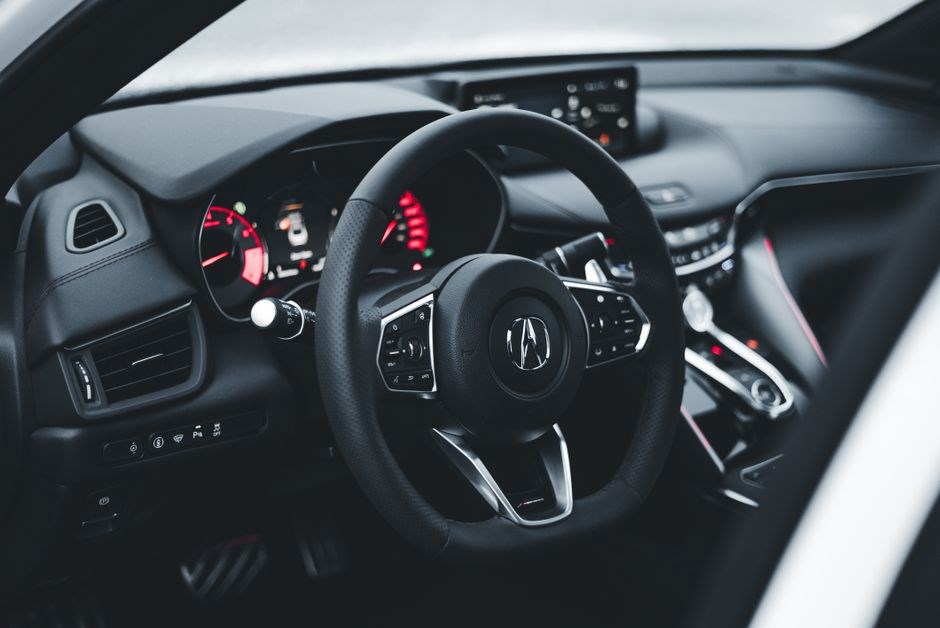
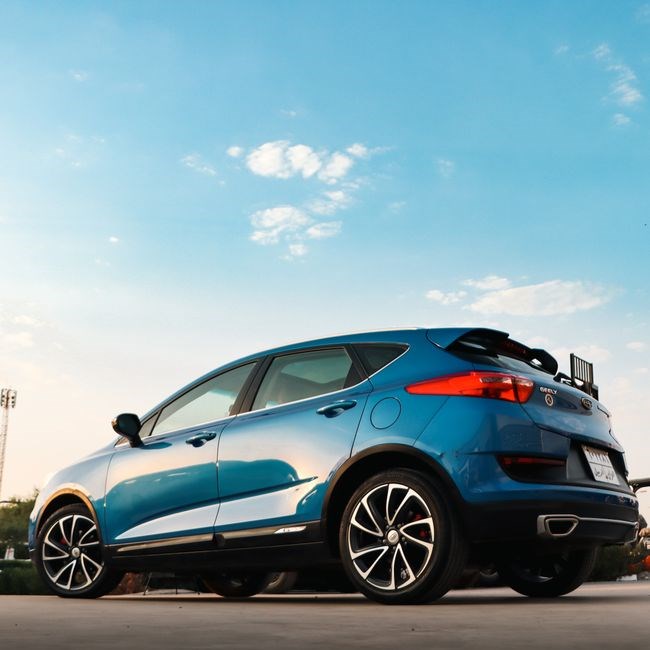
The RDX’s sleek exterior is engineered for style function․ Its 4․9‑inch front grille‚ flanked by chrome accents‚ sets a presence‚ while daytime running lights provide illumination․ The vehicle’s dimensions—4‚700 mm length‚ 1‚860 mm width‚ 1‚650 mm height—create a low stance that enhances handling stability․ A 4‚900‑mm wheelbase delivers room and contributes to a smooth ride․ The curb weight‚ hovering around 1‚800 kg‚ balances performance with efficiency‚ allowing for cruising․ Optional 20‑inch alloy wheels‚ with 19‑inch available‚ add a touch and improve traction․ Roof rails‚ a spoiler‚ and a camera frame the exterior‚ while rear bumper a premium finish․ Rear fascia features a spoiler and tailgate‚ reinforcing RDX’s aesthetic!! Together‚ these elements create a vehicle that enhances handling stability․ Front bumper includes a grille and hood‚ while rear bumper has a spoiler and tailgate the accents․
Interior Layout and Comfort Features
The Acura RDX’s cabin blends luxury with practicality․ A 2‑row seating arrangement accommodates five passengers‚ with supportive‚ heated front seats and ventilated rear seats for added comfort․ Premium leather upholstery‚ available in multiple colors‚ complements the brushed aluminum trim․ The center console houses a 10․2‑inch touchscreen‚ integrated with Apple CarPlay‚ Android Auto‚ and a 12‑speaker audio system․ Dual‑zone climate control‚ automatic temperature sensors‚ and a rear‑view camera enhance convenience․ Storage solutions include a large center console‚ door pockets‚ and a rear cargo area that expands to 1‚000 liters when the second row folds․ A panoramic sunroof offers natural light‚ while ambient lighting adjusts to driving modes․ The steering wheel features power‑adjustable controls and a driver‑assist display․ Overall‚ the interior prioritizes ergonomics‚ connectivity‚ and a quiet ride․
The RDX’s cabin also boasts advanced driver‑assist technologies‚ including adaptive cruise control‚ lane‑keeping assist‚ and a 360‑degree camera system that provide added safety․ Ambient lighting options allow drivers to set the mood the heated steering wheel and ventilated seats keep occupants comfortable in climates․ The 12‑speaker audio system delivers crisp sound‚ and the 10․2‑inch touchscreen supports navigation‚ Bluetooth‚ and voice commands․ Storage is generous‚ with a 1‚200‑liter cargo capacity when the rear seats fold flat‚ and additional cup holders and door pockets for convenience․
Operating the Vehicle Controls
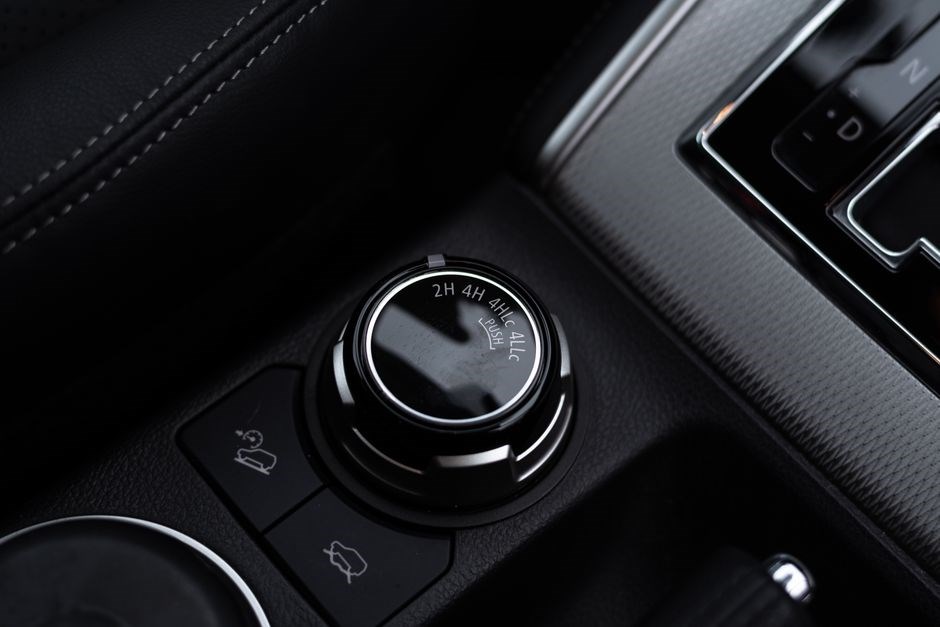
The RDX’s controls feature a steering wheel with audio‚ cruise‚ and phone buttons‚ a 10․2‑inch touchscreen for navigation and media‚ and a climate panel․ Keyless entry simplifies access․ Settings are managed via steering wheel controls and the central display today!․
Steering‚ Suspension‚ and Braking Systems
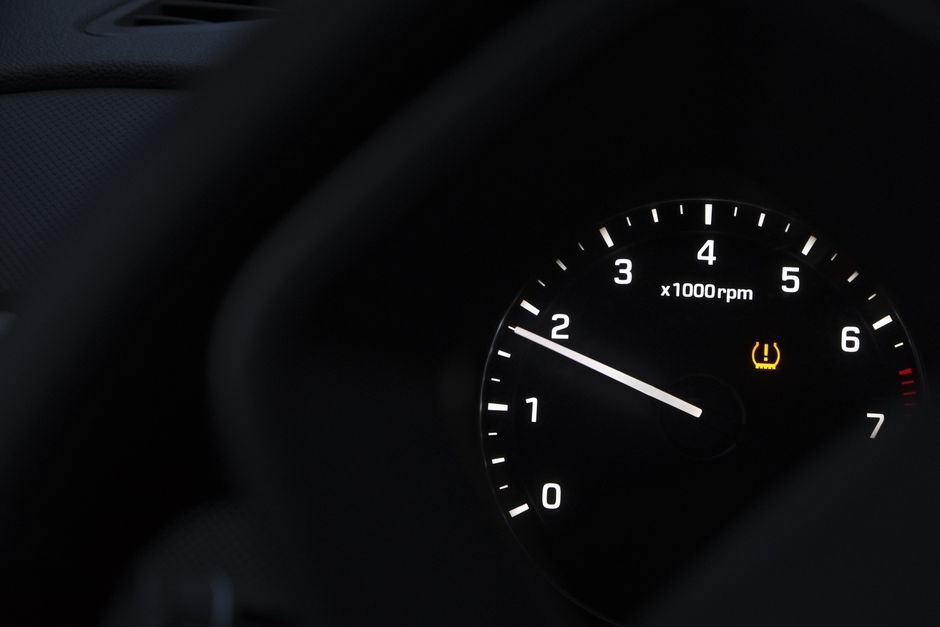
The Acura RDX uses a power‑steered rack‑and‑pinion system that delivers precise feedback․ The steering ratio is 10‑to‑1 at 2‚000 rpm‚ balancing agility and comfort․ Variable‑ratio assist reduces effort by up to 30% at highway speeds while keeping full feedback at low speeds․
Suspension is a MacPherson strut front and multi‑link rear‚ tuned for ride comfort and cornering․ Front struts offer 12‑inch travel; rear links allow 10 inches․ Adaptive dampers adjust in real time‚ and “Sport” mode stiffens dampers and lowers ride height by 0․5 inches․
Brakes are ventilated discs front and rear․ Front discs are 13․5 inches with four‑piston calipers; rear discs are 12․5 inches with two‑piston calipers․ An electronic brake‑force distribution system balances pressure‚ while regenerative braking recovers energy during deceleration․ The system also includes ABS and a brake‑force distribution algorithm that adjusts pressure based on wheel slip‚ enhancing stopping power on wet roads․
All components meet Acura safety standards with reinforced mounting points and high‑strength steel․ ABS‚ traction control‚ and electronic stability control work together to prevent wheel lock‑up and maintain stability on slippery surfaces․ The electronic stability control system monitors yaw and lateral acceleration‚ intervening with selective braking to keep the vehicle on course during sudden maneuvers․
Driver‑assist features like lane‑keep assist‚ adaptive cruise control‚ and forward‑collision warning rely on steering and braking systems for safe‚ hands‑off driving․ Lane‑keep assist uses camera sensors to detect lane markings‚ while adaptive cruise control maintains a set following distance using radar․ Steering wheel controls manage audio‚ cruise‚ and phone functions․
Maintain steering‚ suspension‚ and brakes by checking fluid levels‚ inspecting for leaks‚ and torqueing bolts to spec․ Replace power steering fluid every 40‚000 miles; inspect suspension bushings each service; flush brake fluid every 30‚000 miles․ Regular inspections of steering linkages‚ suspension bushings‚ and brake pads are recommended every 10‚000 miles to ensure optimal performance and safety!!
Infotainment and Connectivity Options
The Acura RDX’s infotainment system centers around a 10․2‑inch touchscreen that supports Apple CarPlay‚ Android Auto‚ and Bluetooth connectivity․ A premium 10‑speaker audio system delivers crystal‑clear sound‚ while the optional 12‑speaker Bose package offers immersive bass and surround sound; The system’s interface is intuitive‚ featuring a high‑resolution display‚ responsive touch controls‚ and a dedicated steering‑wheel control panel for audio‚ phone‚ and navigation functions․ Navigation is powered by an integrated GPS module with real‑time traffic updates‚ lane‑guidance‚ and voice‑activated search․ The RDX also includes a 360‑degree camera system that provides a bird‑sight view for parking and low‑speed maneuvers․ Connectivity options extend to Wi‑Fi hotspot capability‚ allowing passengers to stream music or video directly to their devices․ The vehicle’s CAN‑bus architecture ensures seamless communication between the infotainment unit‚ climate control‚ and driver‑assist systems․ Firmware updates are delivered via OTA (over‑the‑air) updates‚ keeping the system current without a dealership visit․ Users can customize the home screen layout‚ set up multiple user profiles‚ and adjust audio presets for each driver․ The system also supports voice commands through the integrated voice‑control module‚ enabling hands‑free operation of navigation‚ media‚ and phone calls․ For safety‚ the infotainment system is designed to minimize driver distraction‚ featuring a large‚ high‑contrast display and a simple‚ consistent menu structure․ The RDX’s infotainment suite is fully compliant with the latest automotive safety standards‚ ensuring reliable performance in all driving conditions․ Additionally‚ the RDX’s infotainment supports over‑the‑air updates‚ ensuring drivers always have the latest features and security patches․
Driving Modes and Performance Settings
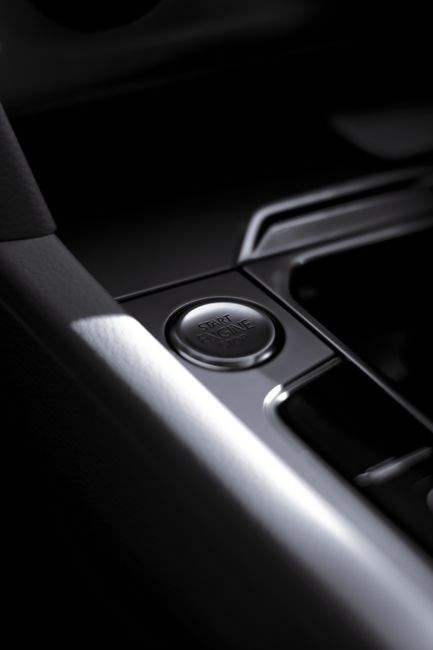
The Acura RDX features Standard‚ Sport‚ and Off‑Road modes․ Standard offers balanced handling‚ Sport sharpens throttle response and tightens dampers‚ Off‑Road activates traction control and lowers ride height․ Select mode via console‚ It remembers․!

Standard‚ Sport‚ and Off‑Road Modes
In the Acura RDX‚ the driving‑mode selector offers three distinct settings that adapt the vehicle’s performance to your preferences or road conditions․ The Standard mode delivers balanced throttle response‚ neutral suspension tuning‚ and a relaxed steering feel‚ making it ideal for everyday commuting and highway cruising․ The Sport mode tightens the throttle mapping‚ increases engine output‚ and stiffens the dampers‚ providing a more engaging and responsive driving experience․ This mode is recommended for spirited driving on winding roads or when you want a quicker acceleration burst․ The Off‑Road mode is engineered for uneven terrain; it lowers the ride height‚ activates the vehicle’s traction‑control system to its most aggressive setting‚ and adjusts the suspension to maintain wheel contact on rough surfaces․ While the RDX is primarily a crossover SUV‚ the Off‑Road mode is best suited for light off‑road use‚ such as gravel or packed dirt trails․ Each mode can be selected via the console selector or the infotainment screen‚ and the vehicle will remember your last choice for the next start‑up․ For safety‚ the system automatically reverts to Standard mode if a sudden change in road conditions is detected‚ ensuring optimal stability and control․ Always consult the “Driving Modes” section of the owner’s manual for detailed instructions on selecting and customizing each mode‚ as well as for safety warnings and recommended usage scenarios․ Additionally‚ the RDX’s adaptive suspension system works in tandem with the selected mode to fine‑tune ride height‚ damping rates‚ and steering assist‚ providing a seamless transition between smooth city driving and rugged off‑road excursions․ The electronic throttle response is calibrated for each mode‚ so you will notice a distinct shift in acceleration feel when switching from Standard to Sport․ The vehicle’s onboard diagnostics will log mode changes‚ allowing service technicians to review performance data if needed․ By mastering these modes‚ drivers can extract the best possible balance between comfort‚ performance‚ and off‑road capability from their Acura RDX․
When operating in Sport mode‚ drivers should be mindful of increased fuel consumption and the higher likelihood of rapid tire wear due to the more aggressive tuning․ Off‑Road mode is not a substitute for a dedicated off‑road vehicle; it is designed for occasional use on moderately rough terrain and should not be used on deep mud or steep slopes․ The Standard mode remains the safest and most efficient for daily driving‚ offering the best blend of fuel economy and comfort․ The RDX’s integrated vehicle dynamics control system continuously monitors wheel slip‚ steering angle‚ and yaw rate to adjust torque distribution and braking pressure‚ ensuring that each mode delivers its intended performance while maintaining safety․ For advanced users‚ the optional “Sport Plus” setting can be accessed through the vehicle’s settings menu‚ providing an even more aggressive response curve for experienced drivers who demand maximum performance․
Remember to review the vehicle’s maintenance schedule for any mode‑specific service items‚ such as brake pad replacement or suspension fluid checks‚ to keep the RDX performing at its best across all driving conditions․ Enjoy versatility!
Transmission and Engine Management Settings
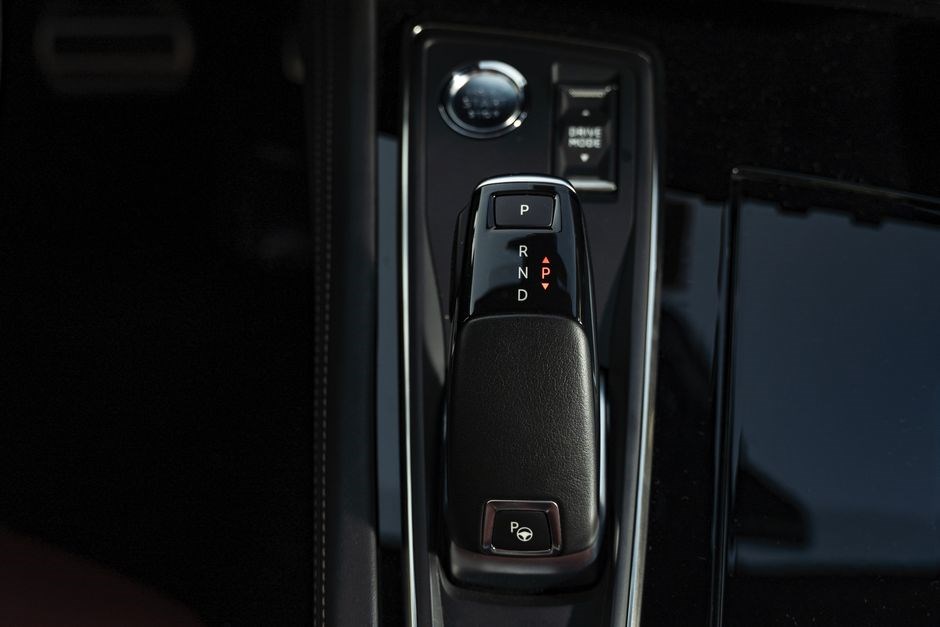
The Acura RDX’s powertrain is a 2․0‑liter turbocharged inline‑four paired with a continuously variable transmission (CVT) that delivers smooth‚ linear acceleration across all gears․ Feel the difference on every turn today!!! The engine management system uses a suite of sensors—throttle position‚ intake air temperature‚ manifold pressure‚ and oxygen sensors—to modulate fuel injection‚ ignition timing‚ and turbo boost pressure; In Standard mode‚ the ECU prioritizes fuel economy‚ keeping boost levels moderate and ignition timing slightly retarded to reduce emissions․ Switching to Sport mode re‑maps the throttle response curve‚ increases boost pressure by up to 15 psi‚ and advances ignition timing by up to 5 degrees‚ providing a 10‑15 % lift in peak torque․ The vehicle’s On‑Board Diagnostics (OBD) interface logs all engine parameters‚ Regular maintenance of the turbocharger—cleaning the air filter‚ inspecting the intercooler‚ and checking the waste‑gate actuator—ensures that engine management system can maintain a target boost level․ The RDX also features a “Eco” mode‚ which limits throttle response and reduces turbo boost to maximize fuel economy‚ especially useful for city driving․ Battery voltage and alternator output․ By understanding how the transmission and engine management settings interact‚ drivers can tailor the RDX’s performance to match their driving style and road conditions‚ while technicians can fast diagnose issues using the built‑in diagnostic tools․
Maintenance‚ Troubleshooting‚ and Safety Alerts
Adhere to Acura service schedule: oil every 7‚500 mi‚ filter changes‚ tire rotations‚ brake checks․ Use OBD-II to read codes; common issues: coolant‚ transmission leaks‚ sensor faults․ Watch warning lights for safety․ Check log for service!!
Routine Maintenance Schedule and Service Intervals
Follow Acura’s recommended intervals to keep the RDX running smoothly․ Oil and filter changes are required every 7‚500 miles or 12 months‚ whichever comes first․ At 15‚000 miles‚ replace the engine oil filter and inspect the air filter․
Rotate tires every 7‚500 miles to promote even wear and maintain traction․ Inspect brake pads and rotors at each oil change; replace pads when thickness falls below 3 mm; Check the battery’s charge and clean terminals at 12‚000 miles․
Replace the cabin air filter every 15‚000 miles or 12‚000 miles if the HVAC system feels sluggish․ Inspect the drive belt and timing belt at 60‚000 miles; replace the belt if it shows cracks or wear․ Perform a comprehensive diagnostic scan at 30‚000 miles to detect any fault codes․
Schedule a full inspection at 60‚000 miles‚ including suspension‚ steering‚ and exhaust systems․ Replace the coolant at 60‚000 miles or every 5 years‚ whichever comes first․ Keep a maintenance log to track all services and ensure warranty coverage remains valid․
Additional routine checks include transmission fluid every 30‚000 miles‚ power steering fluid every 60‚000 miles‚ and differential fluid every 60‚000 miles․ Inspect the brake master cylinder and ABS system at each oil change․ Replace the timing belt at 120‚000 miles or 8 years‚ whichever comes first․ Maintain a detailed service log to verify warranty compliance․ Check the owner’s manual for interval daily variation․
Common Issues and Diagnostic Tools
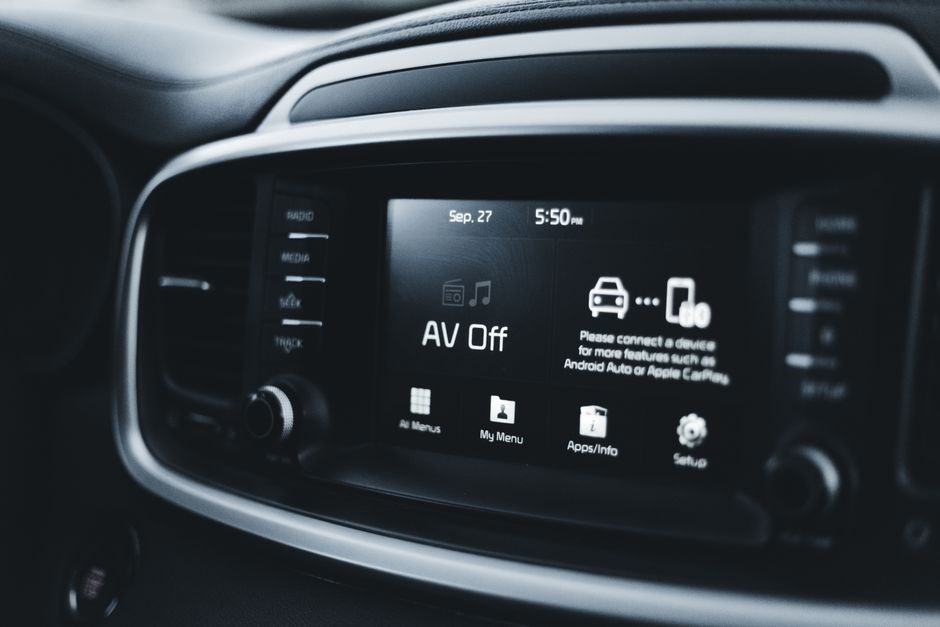
When the vehicle’s diagnostic trouble codes (DTCs) appear‚ connect an OBD‑II scanner to read them․ Acura’s Diagnostic Tool (ADT) supplies real‑time data for engine‚ transmission‚ and safety systems․ Infotainment glitches can be fixed by a hard reset: hold the power button for 10 seconds․ If Bluetooth pairing fails‚ delete the device from memory and re‑pair․ ABS warning lights may be cleared by disconnecting the battery for 30 seconds‚ but a scan tool is recommended to ensure no fault remains․ Shock absorber pressure can be checked with a gauge; low readings suggest fluid loss and require topping up․