Cheddite Reloading Manual PDF: A Comprehensive Guide
Navigating the world of reloading requires precision, and accessing the official Cheddite reloading manual in PDF format is crucial for safe and accurate ammunition creation.
Understanding Cheddite Primers
Cheddite primers, manufactured in Italy, are renowned within the reloading community for their consistent ignition and reliability. These non-corrosive primers utilize a specialized compound designed to initiate the propellant charge effectively, contributing to accurate and repeatable results. Understanding their construction – typically consisting of a cup, impact paper, and priming compound – is fundamental for safe handling.
Cheddite offers a diverse range of primer types, catering to various calibers and applications, from standard velocity loads to magnum cartridges. Their sensitivity, while generally consistent, can be influenced by factors like humidity and storage conditions. Therefore, consulting the official Cheddite reloading manual PDF is paramount. It provides detailed specifications, load data, and crucial safety guidelines specific to each primer type, ensuring optimal performance and preventing potential hazards during the reloading process.
Locating the Official Cheddite Reloading Manual PDF
Finding the official Cheddite reloading manual PDF can sometimes present a challenge, as it isn’t always directly available on the manufacturer’s website. However, several reputable online sources frequently host the document. A primary starting point is searching through prominent reloading data websites and forums dedicated to ammunition reloading.

Many online retailers specializing in reloading components also provide links to the PDF manual for their customers. Exercise caution when downloading from unofficial sources to ensure the document’s authenticity and integrity. Always verify that the PDF is the latest version, as reloading data can be updated periodically. Prioritize downloading from trusted sources to avoid outdated or inaccurate information that could compromise safety. Regularly checking these resources will help you access the most current Cheddite reloading data.
Cheddite Primer Types and Characteristics
Cheddite primers are renowned for their consistent ignition and high-quality construction, offering reloaders a reliable choice for various calibers. They primarily categorize into standard and magnum options, each designed for specific reloading applications. Standard primers are ideal for lighter loads and common cartridges, while magnum primers deliver increased energy for larger cases and colder temperatures.
Cheddite primers generally feature a robust cup and a carefully formulated compound, contributing to their dependable performance. Reloading manuals detail specific characteristics for each primer type, including sensitivity and recommended powder pairings. Understanding these nuances is crucial for achieving optimal accuracy and safety. Batch variations can occur, so referencing current data is essential. Always consult the official Cheddite reloading manual PDF for the most accurate and up-to-date information regarding primer selection and usage.
Standard Cheddite Primers
Standard Cheddite primers represent the workhorse of the Cheddite lineup, suitable for a vast range of common reloading applications. These primers are designed for typical cartridge loads, providing reliable ignition in calibers like 9mm Luger, .38 Special, and .45 ACP. They excel in standard temperature conditions and with commonly used powder types.
Reloaders often choose standard Cheddite primers for target shooting, practice ammunition, and general plinking loads. The official Cheddite reloading manual PDF provides detailed load data for these primers, specifying powder charges and overall cartridge lengths. It’s vital to adhere strictly to published data to ensure safe and consistent results. Always verify the primer type matches the intended load and cartridge. Consistent performance and quality control are hallmarks of standard Cheddite primers, making them a trusted choice for many reloaders.
Magnum Cheddite Primers
Magnum Cheddite primers are engineered for cartridges requiring a more substantial ignition charge, typically found in magnum-level handgun and rifle rounds. These primers feature a larger flash hole and a more energetic compound, ensuring reliable ignition of larger powder charges and denser loads. Common applications include .357 Magnum, .44 Magnum, and various rifle cartridges.
The official Cheddite reloading manual PDF is indispensable when working with magnum primers, as load data differs significantly from standard primers. Using standard primer data with magnum powders can lead to underpowered loads or dangerous pressure build-ups. Magnum primers are also beneficial in colder weather conditions where standard primers might exhibit reduced sensitivity. Always double-check the primer designation and consult the manual for precise load recipes to maintain safety and achieve optimal performance.
Cheddite Primers for Specific Calibers
Cheddite offers a diverse range of primers tailored to specific calibers, optimizing ignition and performance for various ammunition types. The official Cheddite reloading manual PDF details recommended primer choices for popular cartridges like 9mm Luger, .38 Special, .45 ACP, .223 Remington, and .308 Winchester. Selecting the correct primer is crucial; using an inappropriate primer can lead to inconsistent ignition, reduced accuracy, or even dangerous pressure spikes.
The manual provides precise data for each caliber, specifying the appropriate primer type (standard, magnum, or small pistol/rifle) and corresponding powder charges. It’s vital to adhere to these recommendations, as variations can significantly impact safety and ballistics. Furthermore, the PDF often includes notes on specific load combinations and potential issues to watch for, ensuring a smooth and reliable reloading process for each caliber.
Reloading Data Sources & Importance of Official Data
Reliable reloading data is paramount for safety and accuracy, and the official Cheddite reloading manual PDF serves as the primary source for Cheddite primer usage. While numerous online forums and reloading guides exist, relying on unverified data can be hazardous. The Cheddite manual, developed by the manufacturer, provides tested and validated load recipes specifically for their primers and components;
This official data accounts for variations in primer sensitivity, powder characteristics, and bullet weights, ensuring optimal performance and safe pressure levels. Utilizing data from other sources without cross-referencing with the Cheddite manual is strongly discouraged. Always prioritize the manufacturer’s recommendations to mitigate risks and achieve consistent, dependable ammunition. The PDF is regularly updated, reflecting any changes or corrections, making it the most trustworthy resource.
Safety Precautions When Using Cheddite Primers
Prioritizing safety is non-negotiable when reloading, and specific precautions apply when utilizing Cheddite primers. Always consult the official Cheddite reloading manual PDF for detailed guidance. Wear appropriate eye protection during all stages of the reloading process to shield against potential primer detonations. Ensure a clean, well-lit, and organized workspace, free from distractions.
Never expose primers to heat, flame, or impact. Store them in their original packaging, away from flammable materials and moisture. Avoid mixing different brands of primers. Double-check powder charges and primer seating depth against the manual’s data. If a misfire occurs, follow the manual’s instructions carefully – do not immediately reopen the firearm. Adhering to these safety measures, as outlined in the PDF, is crucial for preventing accidents and ensuring a safe reloading experience.

Primer Handling and Storage
Proper handling and storage of Cheddite primers are paramount for maintaining their integrity and ensuring safe reloading practices. The Cheddite reloading manual PDF emphasizes storing primers in a cool, dry location, away from direct sunlight, heat sources, and moisture. Original packaging is ideal, as it provides protection and minimizes static electricity buildup.
Avoid dropping or subjecting primers to impact, as this can potentially initiate detonation. Handle them gently and avoid friction. Never store primers near flammable materials or explosive substances. Keep them securely locked and out of reach of children and unauthorized individuals. Regularly inspect primer packaging for any signs of damage or deterioration. Following these guidelines, detailed in the manual’s PDF, will preserve primer functionality and contribute to a safe reloading environment.
Recognizing and Avoiding Misfires
The Cheddite reloading manual PDF dedicates significant attention to understanding and mitigating misfires, a potential safety concern in reloading. A misfire occurs when the primer fails to ignite the propellant, preventing the cartridge from firing. Several factors can contribute, including improper primer seating, insufficient firing pin impact, or primer defects.
If a misfire occurs, immediately stop, safely unload the firearm, and carefully inspect the spent primer. Never attempt to re-fire the same cartridge without identifying and correcting the cause. The manual advises against disturbing the cartridge initially, allowing time for potential delayed ignition. Consistent reloading practices, adhering to published data, and using quality components, as outlined in the PDF, significantly reduce the risk of misfires and promote a safe reloading experience.
Cheddite Primer Components and Construction
The Cheddite reloading manual PDF provides detailed insights into the construction of their primers, emphasizing quality control and consistent performance. Cheddite primers typically consist of a brass or copper cup, a primary explosive compound, and a base cup. The cup’s material and thickness are carefully regulated to ensure proper sealing and ignition.
The primary explosive mixture, a closely guarded formula, is designed for reliable ignition across a range of temperatures. The manual highlights Cheddite’s commitment to using non-corrosive compounds, minimizing residue and prolonging firearm life. Understanding these components, as detailed in the PDF, allows reloaders to appreciate the engineering behind Cheddite primers and their impact on consistent and safe ammunition production. Precise manufacturing tolerances are a key feature.
Comparing Cheddite Primers to Other Brands
The Cheddite reloading manual PDF often addresses comparisons to popular primer brands like CCI and Federal, outlining key differences in construction and performance characteristics. Reloaders frequently inquire about sensitivity and consistency, and the manual provides data to support Cheddite’s claims.
Generally, Cheddite primers are known for requiring a slightly firmer seating force compared to some American brands. This is attributed to their robust cup design. The PDF details how this impacts reloading presses and potential adjustments needed. While some users report a slightly higher misfire rate initially, consistent seating practices, as outlined in the manual, mitigate this. Ultimately, the manual encourages reloaders to evaluate performance within their specific loading setups and calibers, emphasizing that primer choice is a nuanced decision.
Cheddite vs. CCI Primers
The Cheddite reloading manual PDF frequently draws comparisons with CCI primers, a dominant force in the American reloading market. A key distinction lies in manufacturing origin – Cheddite being European-made, while CCI is American. Reloaders often note that CCI primers generally exhibit a lighter seating force, potentially simplifying the process for some presses.
However, the manual highlights Cheddite’s robust cup construction, intended to minimize the risk of pierced primers, a safety concern. Data within the PDF suggests that while initial ignition may sometimes appear slower with Cheddite, consistent pressure and proper seating address this. Experienced reloaders often find Cheddite offers excellent lot-to-lot consistency, a crucial factor for precision shooting. The manual advises testing both brands within your specific load to determine optimal performance.
Cheddite vs. Federal Primers
The Cheddite reloading manual PDF often addresses comparisons to Federal primers, another popular choice among reloaders. Federal primers are known for their consistent ignition and wide availability within the United States, making them a convenient option. However, the manual details that Cheddite primers utilize a different chemical composition in their priming compound, potentially influencing burn characteristics.
Reloaders frequently observe that Federal primers can sometimes exhibit a slightly more sensitive ignition, particularly in certain calibers. The Cheddite manual emphasizes the importance of adhering to published load data, as Federal and Cheddite primers aren’t always directly interchangeable. It also notes that Cheddite’s thicker cup construction, detailed within the PDF, may offer enhanced resistance to slamfires. Thorough testing and careful observation are recommended when transitioning between these brands.
Understanding Load Density with Cheddite Primers
The Cheddite reloading manual PDF stresses the importance of understanding load density, particularly when utilizing Cheddite primers; Load density refers to the percentage of the case volume filled with powder; it significantly impacts pressure development and consistent ignition. Cheddite primers, with their robust cup construction, can sometimes require a slightly higher load density to achieve optimal performance compared to other brands.
The manual cautions against excessively low load densities, as this can lead to inconsistent ignition and potential pressure fluctuations. Conversely, overly dense loads can create dangerously high pressures. The PDF provides detailed guidance on calculating load density for various calibers and powder types. Reloaders are advised to consult the manual’s data and carefully monitor pressure signs during load development, ensuring a safe and efficient reloading process with Cheddite primers.
Cheddite Primer Sensitivity and Ignition
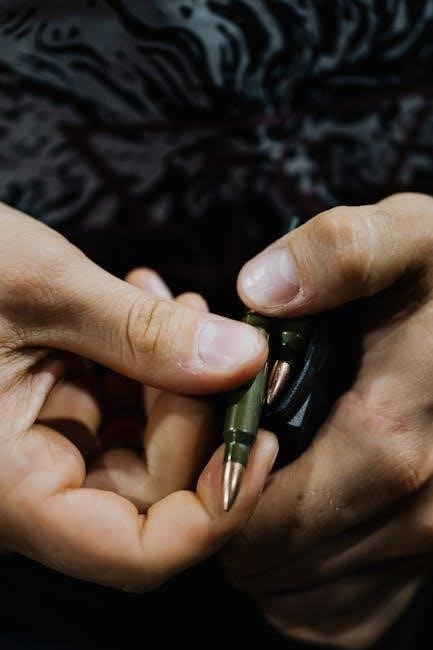
The Cheddite reloading manual PDF thoroughly addresses primer sensitivity and ignition characteristics, vital for successful and safe reloading. Cheddite primers are known for their robust construction and reliable ignition, but understanding their nuances is crucial. The manual details that Cheddite primers generally require a firm, consistent seating depth to ensure proper function.
Compared to some other brands, some reloaders report that Cheddite primers may exhibit slightly less sensitivity, particularly in certain firearms or with specific powder/bullet combinations. The PDF emphasizes the importance of using a high-quality primer seating tool and verifying proper seating depth. It also highlights the need to consult the provided load data, as it’s specifically tailored for Cheddite primers and accounts for their ignition properties. Consistent ignition is paramount, and the manual provides troubleshooting tips for addressing any potential issues.
Troubleshooting Common Issues with Cheddite Primers
The Cheddite reloading manual PDF dedicates a section to resolving common issues encountered when using their primers, ensuring a smoother reloading experience. Two frequently reported problems are primer seating difficulties and inconsistent ignition. The manual advises verifying the correct size seating die and ensuring proper shell case preparation for seating issues.
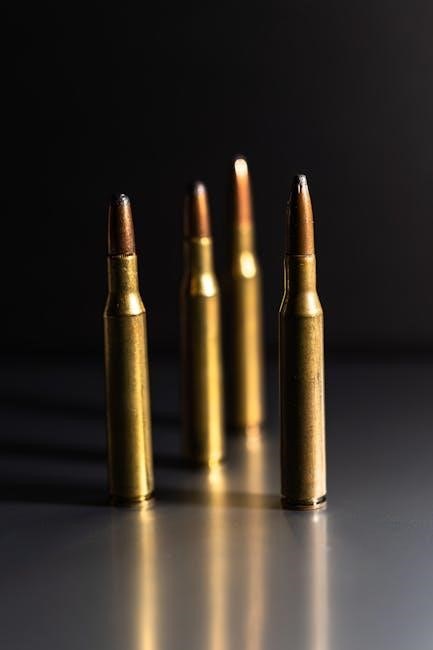
For inconsistent ignition, the PDF stresses the importance of adhering to published load data and checking for obstructions in the flash hole. It also suggests examining primer seating depth, as insufficient depth can lead to misfires. Batch variations, though generally minimal, are also addressed; the manual recommends testing a small sample of each new primer batch. Reloaders are cautioned against excessive force during seating and advised to inspect primers for damage. The manual emphasizes safety and encourages consulting experienced reloaders if problems persist.
Primer Seating Problems
The Cheddite reloading manual PDF thoroughly addresses primer seating problems, a common concern for reloaders. It highlights that difficulty seating primers often stems from improper shellcase preparation – specifically, flash hole obstructions or insufficient chamfering/deburring. The manual stresses the necessity of ensuring a clean, unobstructed flash hole for consistent primer insertion.
Furthermore, it details the importance of using the correct size seating die; an incorrect size can cause excessive resistance or damage to the primer. The PDF advises checking die compatibility with Cheddite primers and verifying proper die adjustment. It cautions against applying excessive force during seating, which can deform the primer and potentially cause a malfunction. Reloaders are encouraged to visually inspect seated primers for consistent depth and proper alignment, and the manual suggests a gradual, controlled seating process.
Inconsistent Ignition
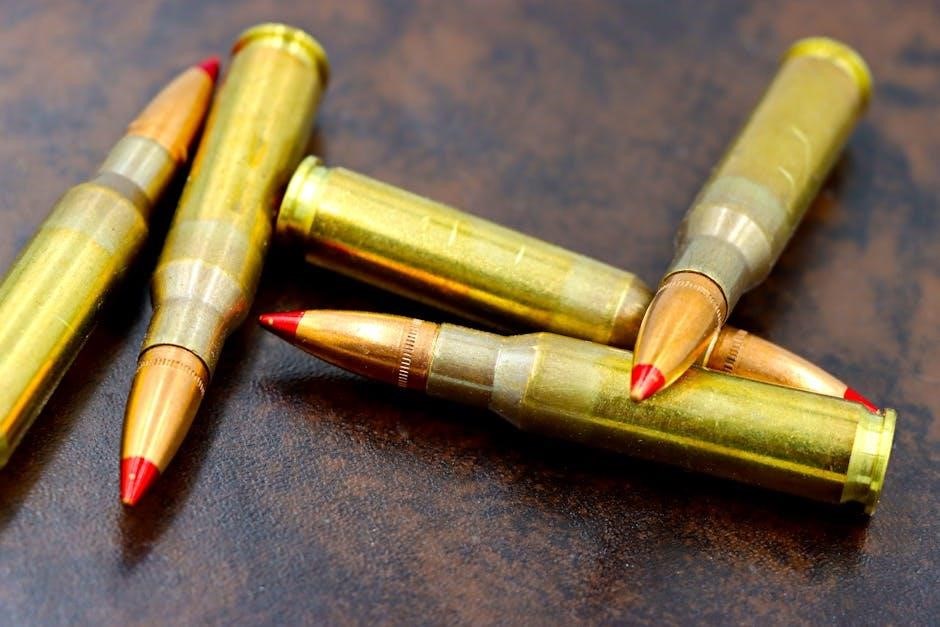
The Cheddite reloading manual PDF dedicates significant attention to troubleshooting inconsistent ignition, a potentially dangerous issue. It emphasizes that inconsistent ignition with Cheddite primers can arise from several factors, including insufficient powder charge, incorrect powder type, or improper primer seating depth. The manual strongly advises adhering strictly to published load data and verifying powder weights with a calibrated scale.
It also details the importance of primer-to-powder relationship, noting that certain powder/primer combinations may exhibit sensitivity issues. The PDF recommends testing a small batch of loads before committing to a larger run, carefully observing for signs of ignition failure. Furthermore, it stresses the role of ammunition storage; exposure to moisture can compromise primer reliability. Reloaders are urged to inspect primers for corrosion and ensure proper humidity control during storage, and to consult the manual’s extensive data tables.
Specific Reloading Recipes Using Cheddite Primers (Examples)
The Cheddite reloading manual PDF provides detailed recipes, showcasing optimal loads for various calibers utilizing their primers. For 9mm Luger, example loads often feature 125-grain projectiles with a starting charge of 5.5 grains of a specific powder, paired with Cheddite primers, and a maximum load of 6.2 grains. Similarly, for .38 Special, recipes might detail 158-grain lead flat nose bullets with a starting charge of 3.5 grains, escalating to 4.0 grains, again using Cheddite primers.
Crucially, the manual emphasizes these are examples only. Reloaders must meticulously verify these loads with their specific components, scales, and firearms. The PDF includes comprehensive tables outlining variations based on bullet weight, powder type, and desired velocity. It also stresses the importance of observing pressure signs and adjusting loads accordingly, always prioritizing safety and adhering to published maximums. These examples serve as a starting point, not a definitive guide.
9mm Luger Loads with Cheddite
The Cheddite reloading manual PDF dedicates significant attention to 9mm Luger, a popular cartridge for self-defense and sport shooting. It details numerous load combinations utilizing various bullet weights – 115, 124, and 147 grains being common – paired with different powders like Hodgdon CFE Pistol, Alliant Competition, and Winchester W231. Starting loads with Cheddite primers typically range from 5.3 to 5.8 grains, depending on the powder and bullet combination.
Maximum loads, carefully outlined in the PDF, generally reach 6.5 to 7.0 grains. The manual emphasizes the importance of load density, particularly with lighter bullets, and provides guidance on adjusting powder charges to achieve optimal performance. It also includes data for both standard and +P loads, clearly differentiating between the two. Always consult the PDF for specific data relevant to your components and follow all safety guidelines.
.38 Special Loads with Cheddite
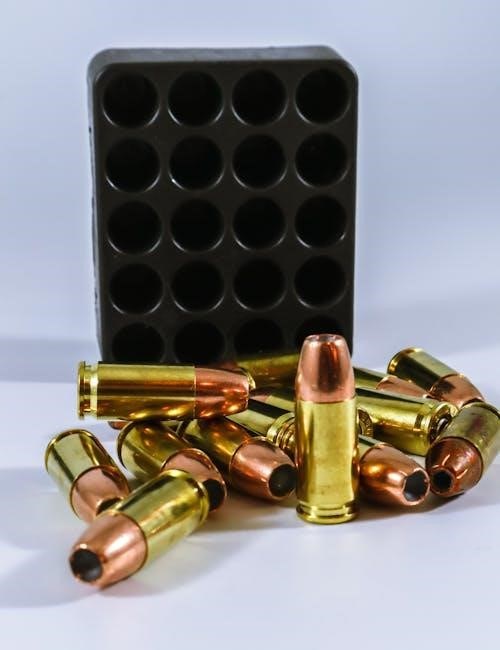
The Cheddite reloading manual PDF provides extensive data for the .38 Special, a classic revolver cartridge favored for target shooting, hunting, and self-defense. Load data focuses on bullet weights ranging from 158 grains (lead round nose) to 125 grains (jacketed hollow points), utilizing powders such as Hodgdon Universal, Alliant Bullseye, and IMR Target 800. Starting loads with Cheddite primers generally begin around 3.5 grains, varying based on powder selection and bullet type.
Maximum loads, meticulously detailed within the PDF, typically reach 5.5 to 6.0 grains. The manual stresses the importance of case crimp for .38 Special, especially with lighter bullets, to prevent bullet jump and maintain accuracy. It also offers data for standard pressure and +P loads, clearly indicating the differences. Refer directly to the PDF for precise data matching your components and adhere strictly to all safety protocols.
Where to Find Updated Cheddite Reloading Information
Locating the most current Cheddite reloading data is paramount for safety and optimal performance. While the official Cheddite reloading manual PDF is a primary resource, updates and revisions are periodically released. The official Cheddite website (cheddite.it) is the definitive source for the latest PDF versions and errata sheets. Additionally, reputable reloading data providers like Hodgdon, Alliant Powder, and Accurate Powder often incorporate Cheddite primer data into their online databases and annual manuals.
Reloading forums and communities, such as those on Cast Boolits and The Reloaders Network, can offer valuable insights and shared experiences, but always cross-reference information with official sources. Beware of outdated or unverified data. Checking for recent updates on distributor websites (e.g., Midsouth Shooters Supply, Powder Valley) is also advisable. Prioritize official documentation to ensure safe and accurate reloading practices.
Legal Considerations for Reloading Ammunition
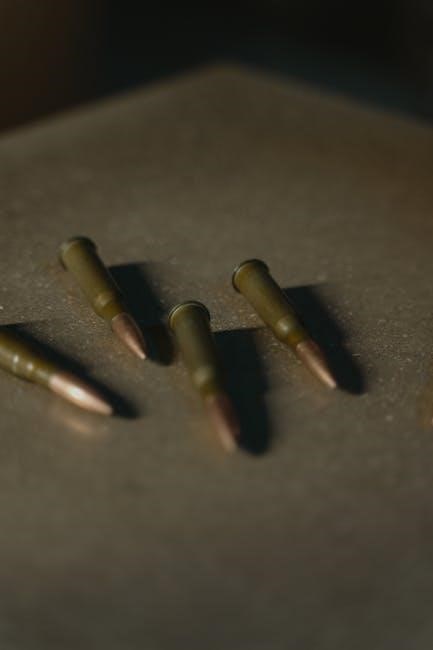
Reloading ammunition is a legally regulated activity, and adherence to all applicable laws is crucial. Federal law generally permits reloading for personal use, but state and local regulations vary significantly. Some jurisdictions require permits or licenses for reloading, while others impose restrictions on the types of ammunition that can be produced. It is the reloader’s responsibility to understand and comply with all relevant laws.
Specifically regarding components like Cheddite primers, be aware of any restrictions on their purchase, possession, or use. Always ensure you are legally permitted to own and utilize these components in your location. Furthermore, selling reloaded ammunition is often subject to stricter regulations than personal use. Consult with legal counsel or relevant authorities to ensure full compliance. Utilizing the Cheddite reloading manual PDF does not absolve you of legal responsibility.

Understanding Batch Variations in Cheddite Primers
Cheddite primers, like all manufactured components, exhibit batch-to-batch variations. These subtle differences can impact ignition consistency and, consequently, accuracy. Factors like slight variations in the priming compound mixture or cup thickness can contribute to these changes. The Cheddite reloading manual PDF often acknowledges this, advising reloaders to treat each batch as unique.
It’s crucial to start with published starting loads when using a new batch of Cheddite primers, even if you’ve previously used the same primer type. Carefully observe pressure signs during load development, and adjust accordingly. Experienced reloaders often recommend testing a small sample of loads from each new batch before committing to larger quantities. Documenting your results for each batch is vital for maintaining consistency and safety. Ignoring batch variations can lead to unpredictable performance.
Resources for Reloading: Forums and Communities

The reloading community is a valuable resource for information and support, especially when navigating the nuances of Cheddite primers. Online forums dedicated to reloading, such as those found on websites like Cast Boolits or Reloading Data Central, offer a platform to exchange knowledge and experiences. These communities often discuss specific Cheddite primer batches, sharing load data and observations.
Searching these forums for “Cheddite” or specific primer codes can yield valuable insights. However, always critically evaluate information found online and cross-reference it with official reloading manuals, including the Cheddite reloading manual PDF when available. Remember that user-submitted data should be considered supplemental, not a replacement for established guidelines. Participating in these communities allows you to learn from experienced reloaders and stay informed about best practices.